Full Download Wood Finishing: Comprising Staining, Varnishing, and Polishing; With Engravings and Diagrams (Classic Reprint) - Paul N. Hasluck file in ePub
Related searches:
Finishing Wood Trim with Stain and Varnish (DIY)
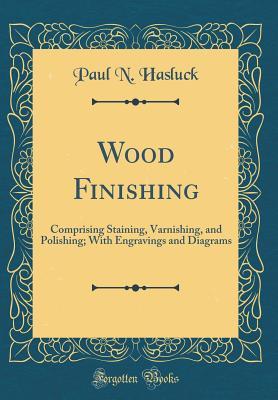
Wood Finishing: Comprising Staining, Varnishing, and Polishing; With Engravings and Diagrams (Classic Reprint)
Wood Finishing: Comprising Staining, Varnishing And Polishing
Wood finishing, comprising staining, varnishing, and
Wood finishing : comprising staining, varnishing, and
How to Choose a Stain - How to Stain Wooden Furniture: Tips and
Selecting healthy and environmentally sound stains Green Home
Wood Stain Colors - Wood Stain And Finish - Interior Wood Stain
Wood Finishing Comprising Staining, Varnishing, and Polishing
Wood Finishing, Comprising Staining, Varnishing, and
Expertise and Tips for Staining Wood Family Handyman
Staining and Finishing Wood (S12E23) Preview Ask This Old
Wood Stain Colors - Beautiful and Durable Stain
Interior Wood Stain and Finish Guide - Lowe's
Wood Finishing Comprising Staining, Varnishing and Polishing
Wood Finishing - Comprising Staining, Varnishing and Polishing
Wood finishing. Comprising staining, varnishing, and
How to Stain and Finish Wood Furniture - This Old House
Wood Stain Colors - Durable Log and Timber Stain
How to Finish Wood With Stain and a Polyurethane Finish
How to finish and stain basswood wood carving Custom Wood
Biggest Wood Staining Mistakes and Misconceptions Wood
Wood Stain And Finish - Search Wood Stain And Finish
How to Stain Wood Evenly Without Getting Blotches and Dark
Altering Wood Stain with Toner, Glaze and Clear Finishing
How to Stain and Finish Wood Cabinets - The Spruce
Mohawk Wood Staining and Finishing
Ideal temperature range wood stain works in a wide range of temperatures. Staining at temperatures ranging from 50 to 90 degrees fahrenheit usually works, but the optimal temperature is around the mid-70s, not too hot and not too cold. Check the label of your product to find a specific temperature recommendation, because products can vary.
Use a natural sealer or an artificial wood finish to seal the stain and to protect it further. How to stain wood- some wood staining tips: use a renowned wood stain, polyurethane to stain your wood. Before starting the wood staining, leave the hinges, handles, or know. Because wood staining chemicals also may change the metal colour.
Furniture is composed of particle board finished with a veneer to give it the appearance of solid wood.
There are many brands, stains and hues to confuse a decorator. A wood stain color chart shows you names and stain shades to help you get started.
Finishing wood refers to the final step in any woodworking project. More specifically, finishing means applying one of many kinds of protective coating, usually clear, generically called finish. Whether you're restoring an old piece of furniture, or building a brand new one, you're going to want to bring it to life with stain and finish.
Natural or stained woodwork is beautiful, but scratches can really stand out—especially with darker stains.
Wood finishing: comprising staining, varnishing, and polishing by paul nooncree hasluck.
If your piece doesn’t need the force of an electric tool, use various degrees of coarse sandpaper to remove stubborn spots and existing stain. Then, work up towards fine sandpapers to even out the wood surface so that it’s taken back to its fully raw, natural wood state.
If your stain contains lots of pigment, brushing on a heavy coat and letting it dry about an hour will leave a layer of pigment solids on the wood's surface. With careful, selective blotting and wiping, you can remove some of the thickened stain while leaving more color where you want it, as shown in the photo below�.
Woodfinishing comprising staining,varnishing,axdpolishing withengravingsanddiagrams editedby pauln.
Staining wood can be accomplished with either water, oil, gel or varnish-based stains. Staining affects the tone or color of the wood and brings out the beauty of its natural grain. Finishing is sealing the wood from moisture and environmental damage.
Decide which amount of wood stain sealer gives you the desired look. Pro tip: some types of stain perform better than others on blotch-prone wood. Since these types of stain tend to have a high concentration of pigments, they also work better if you have to add several layers for a darker color.
Sep 10, 2019 clean, sanded teak with several coats of oil can provide 3–6 months of beauty and protection.
With so many staining products on the market, it may get confusing. Just remember, staining is a means of adding color to bring out the grain pattern in the wood.
Stains are made of colored pigments that stick in the grain and pores of the wood surface while dyes consist of microscopic particles that penetrate the wood itself. As a result, dyes and stains produce different effects and affect different wood species in different ways. Dyes used in woodworking are similar to those used in dying cloth.
Before staining wood, ask yourself why you want to change its color. One of the decisions that goes into selecting a type of wood for a project is its natural color. Seeing natural grain and color immediately pop under a protective finish is super satisfying.
Then water gets in, rotting boards and shingles and, worse, potentially compromising the structures that lie beneath them.
Furniture often benefits from a quick face-lift consisting of a new coat of stain. Unfortunately, most pieces that have been stained also have already been.
Wood conditioner is used to partially seal the grain of porous wood. While some companies manufacture wood conditioner with a large concentration of solvents, this may be too complicated to mix yourself. Instead, you can make your own pre-stain wood conditioner by thinning a solvent-based finish.
Varathane is a special oil-based wood stainer created by rust-oleum. It can be applied to any piece of wood furniture to give it a deep, long-lasting finish.
Hgtv loves a good refinishing project, and knowing how to clean a wood surface prior to staining is the most important part. Review the different scenarios you might find yourself in, and enjoy an easy makeover project! perfect prep is mand.
Hgtv shows you how to clean and safely remove stains and buildup on wooden surfaces such as high-traffic flooring and furniture. When life stains your wooden furnishings and floor, tackle the build-up with confidence by following these tips.
Give your woodwork a smooth, satiny finish each time with this simple three-day process using wood varnish. You don't need pricey tools or special knowledge home skills woodworking staining by the diy experts of the family handyman magazine.
Kitchen cupboards, cabinets, previously stained furniture, factory finished, wood, veneer or laminate, and even previously painted finishes. This is because unlike traditional stain, gel stains don’t penetrate the surface.
Remove hinges, handles, knobs or pulls before you start staining or finishing. Wood finishing products may change the color of any metal hardware. Attempt to obtain a darker color by allowing any unabsorbed stain to dry on top of the wood.
Begin with a 50-to-50 solution of thinner and finish, wipe some on the wood, let it dry and and apply stain. If the stain color is too light or the stain doesn't penetrate, reduce the solids' content by adding more thinner.
Staining wood can dramatically change the appearance of boards or furniture. Depending on the color of the stain, it can bring out the lines in the wood and highlight knots to emphasize the beauty of the piece you are staining.
Get a perfect finish on even hard-to-stain woods like cherry and pine the diy guide to finishing a table top 34 tips for glass-smooth tabletop finishing perfection.
The common stain you buy at the store contains a little colorant, usually pigment, a little binder (finish) to “glue” the colorant to the wood, and a lot of thinner. You do this by wiping, brushing, dipping or spraying a wet coat. To get even-color results you then wipe off the excess before the stain dries.
Staining wood has both aesthetic and functional benefits for any kind of wood in your home.
For some reason a lot of people begin woodworking thinking that staining wood is a requirement for a completed project.
In fact, stains are not technically a finish because a simple stain requires a coat (or coats) of varnish or another finish on top to protect the wood.
Here in phoenix, alder might well be the most popular wood of all and as such, i've developed ways of staining it that eliminates the blotching, which is its major problem (behaves exactly like cherry in this regard). Seal, and then glaze and topcoat, is the most popular finish we've come up with.
Nov 3, 2013 use a pre-stain wood conditioner to ensure the stain applies and dries evenly, without blotches.
“wood finishing, comprising staining, varnishing, and polishing, with engravings and diagrams” is the kind of book from which i always learn a few useful tricks.
Depending on your project, the wood you're staining, and the variety of stain you're using, you may be ready to finish the stain, or you'll likely want to apply a second, and possibly more coats. If so, it's important to let the stain dry, sand over it with 0000 steel wool or 220 sandpaper, and repeat the staining process.
Staining glazing and toning pickling and liming bleaching distressing.
Download wood finishing: comprising staining, varnishing, and polishing; with engravings and diagrams (classic reprint) (paperback) pdf our services was launched by using a want to serve as a total on-line electronic digital library that gives.
Or, if time is short, reach for a product that combines both stain and finish with one coat. The product will need to be brushed on more carefully, finishing by brushing with the grain of the wood.
While wood stains add color and bring out the beauty of the wood, clear finishes protect the wood and enhance its beauty. Whether you choose to stain your wood project or not, it is important that you protect the wood with a clear finish, such as polyurethane. Most clear finishes are available in gloss, semi-gloss and satin sheens.
Using interior wood stain when staining indoor wood furniture, shelving or other interior pieces, you’ll typically apply the stain with a brush or cloth, let it penetrate the wood (without drying) and then wipe off the excess. With some stains, you can darken the color with a second coat after several hours.
Stir the stain well, then use a clean cloth to rub the stain into the wood in a circular motion. Brush a coat of polyurethane varnish onto the surface, then finish up with long, light brush strokes to remove bubbles and lap marks.
They key to the longevity of lifeline wood stain is the two-step system consisting of a color coat and a clear coat.
Wood finishing� comprising staining, varnishing, and polishing item preview remove-circle share or embed this item.
Oil-based varnishes generally add a slight amber tone to your final finish, while water-based varnishes are clear. Polyurethane forms a thicker, hard coating that is very durable and more waterproof than varnish.
Apr 21, 2014 finishing expert bruce johnson shows kevin some tips for staining unfinished furniture and together they finish the table tom built.
12mo size green clothbound hardcover; with blue titles on spine and cover and decoration on front cover; 160 pages contents include: processes of finishing wood stains and staining wood grain fillers and filling.
It is pigmented to change the color of the wood, and there are several colors of stains available.
Applying stain and finish before the cabinets are hung doesn’t take special skills, just a little time and effort. The oak cabinet shown here will receive a red chestnut stain that darkens the wood and adds a warm red tone while bringing out the wood's natural beauty and pronounced grain.
Sep 4, 2009 stains color and protect wood surfaces in your home, accentuating the wood's natural beauty.
Now the wood has been successfully prepared and it's time to apply the stain! using a paint brush or a rag, apply an even layer of stain on the wood's surface. After this, use a clean rag and wipe off any stain that's pooling on the wood. You don't have to worry about being neat or applying stain in the direction of the grain.
The traditional wood finishing system consists of applying a wood stain and clear protective finish in individual steps. This method permits independent control over each step—the depth of color and the level of protection—and is used to obtain rich, professional-looking finishes on small and large projects.
It is composed of pigments and a vehicle, ingredients that perform the same the beauty of a stain finish lies in its ability to accent the texture of the wood.
If you've got a piece with stunning wood grain, show it off with our stain composed of plant products, safflower oil, tung oil, linseed oil, vegetable wax, safe.
Wood trim, wood cabinetry, and other woodworking projects usually receive a finish of wood stain followed by a protective coat of some kind of varnish. Unless the natural wood is top-coated in its natural state or is painted, stain-and-varnish is the finish of choice for the vast majority of woodwork and woodworking projects.
Some manufactures recommend sealer before stain or polyurethane, but it's an extra step you don't need, and it lightens the color of stain by preventing it from penetrating.
The best way to stain wood is to prepare the wood surface by sanding it with a sanding block or orbital sander. Sandpaper with a lower grit number will make wood rougher, allowing more stain to absorb and create a darker color.
Wood finishing, comprising staining, varnishing, and polishing, with engravings and diagrams; item preview.
Build your own professional custom tool kit by selecting a product variation and quantity listed below featuring an assortment of our wood, vinyl, leather and furniture touch up products.
Post Your Comments: