Download �bupr0f�n: A Strong Medication used in Treating Pain, Migraine, Degenerative Disc Disease and Headaches - Lewis Hoeger file in ePub
Related searches:
Drugs medicine - Diagnosis and Treatment
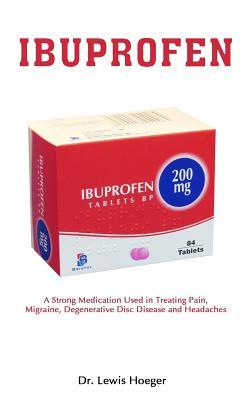
�bupr0f�n: A Strong Medication used in Treating Pain, Migraine, Degenerative Disc Disease and Headaches
Rx Drug and Medicine Forums - MedsChat.com Prescription Info
Ibuprofen for pain and inflammation (Brufen, Calprofen
Ibuprofen vs. Meloxicam for Pain Side Effects, Uses, and Dosage
How much ibuprofen is too much? Dosage and effects
Drugs medicine - Diagnosis and Treatment - helping.com
Ibuprofen: Uses, interactions, and side effects
Off-label drug use means a drug that’s approved by the fda for one purpose is used for a different purpose that hasn’t yet been approved.
People take ibuprofen to treat pain, fever, and inflammation.
Advil (ibuprofen) is a nonsteroidal anti-inflammatory drug (nsaid). Ibuprofen works by reducing hormones that cause inflammation and pain in the body. Advil is used to reduce fever and treat pain or inflammation caused by many conditions such as headache, toothache, back pain, arthritis, menstrual cramps, or minor injury.
Ibuprofen is a universal non-steroidal anti-inflammatory drug that is commonly used for the relief of pain symptoms in cases such as arthritis, fever, primary dysmenorrhea, and as an analgesic.
Ibuprofen is used to treat painful conditions such as arthritis, sprains and strains, period (menstrual) pain, migraine headaches, dental pain, and pain after surgical operations. Ibuprofen can also be used to relieve cold and 'flu-like' symptoms including high temperature (fever).
Non-steroidal anti-inflammatory drugs (nsaids), such as ibuprofen, diclofenac and naproxen, seem to work better when there's clear evidence of an inflammatory cause, such as arthritis or an injury. They should not be used for long periods unless you have discussed it with your doctor.
Ibuprofen (advil, motrin) is a non-steroidal anti-inflammatory drug, or nsaid, that works to reduce inflammation. If you have a headache, ibuprofen is an effective treatment option, although if you are pregnant or prone to ulcers, you may want to choose another pain reliever.
The study compared the use of ibuprofen and another nsaid, celecoxib, for these conditions, and discovered that ibuprofen increases the risk of cardiovascular disease. As sciencedaily noted, 19% of the us population use at least one nsaid on a regular basis, including 30 million americans with osteoarthritis, of whom more than 40% also have.
Any medication used for pain relief should be taken at the lowest effective dose for the shortest possible time. Either acetaminophen or ibuprofen may be used for headaches, fever and minor aches and pains, but ibuprofen is more effective for strains or sprains. Acetaminophen brand names include tylenol, aceta, apra and mapap.
Take a blood thinning (anticoagulant) or steroid drug take other drugs containing prescription or nonprescription nsaids [aspirin, ibuprofen, naproxen, or others] have 3 or more alcoholic drinks every day while using this product take more or for a longer time than directed.
Ibuprofen (advil, motrin, and others) and meloxicam (mobic) are nonsteroidal anti-inflammatory drugs (nsaids) used for the management of mild to moderate pain, fever, and inflammation. Common side effects of meloxicam and ibuprofen that are similar include:.
It helps prevent withdrawal symptoms caused by stopping other opioids. It is used as part of a complete treatment program for drug abuse (such as compliance.
It works by reducing hormones that cause inflammation and pain in the body. Ibuprofen is used to reduce fever and treat pain or inflammation caused by many conditions such as headache, toothache, back pain, arthritis, menstrual cramps, or minor injury.
Ibuprofen tablets may be used in combination with gold salts and/or corticosteroids. Controlled studies have demonstrated that ibuprofen tablets are a more effective analgesic than propoxyphene for the relief of episiotomy pain, pain following dental extraction procedures, and for the relief of the symptoms of primary dysmenorrhea.
Ibuprofen is one of a group of drugs called non-steroidal anti-inflammatory drugs (nsaids). It's widely used for its pain-relieving and anti-inflammatory effects. It’s available over the counter as tablets or capsules in doses of 200–400 mg and can be taken up to three times a day after food.
Drug information provided by: ibm micromedex along with its needed effects, a medicine may cause some unwanted effects. Although not all of these side effects may occur, if they do occur they may need medical attention.
This medication is used to treat or prevent certain urinary tract infections. This medication is an antibiotic that works by stopping the growth of bacteria.
Find everything you need to know about ibuprofen (advil), including what it is used for, warnings, reviews, side effects, and interactions.
Ibuprofen is a medicine that treats fever and mild to moderate pain caused by inflammation. It belongs to a group of medicines called non-steroidal anti-inflammatory drugs, or nsaids. What is ibuprofen used for? ibuprofen can be used for the short-term relief of fever, mild to moderate pain and inflammation (redness, swelling and soreness).
Ibuprofen (advil, motrin) is a nonsteroidal anti-inflammatory drug (nsaid) used to treat mild to moderate pain, inflammation, and fever caused by many and diverse diseases. It is used for treating menstrual cramps (dysmenorrhea), osteoarthritis, rheumatoid arthritis, and juvenile idiopathic arthritis.
Celebrex and ibuprofen are both used to treat acute pain and inflammation. Celebrex is a prescription-only medication, while ibuprofen is available over the counter. They have similar effectiveness, but both the brand and generic versions of celebrex tend to be more expensive than ibuprofen.
Compare risks and benefits of common medications used for neuropathic pain.
Anti-inflammatory painkillers like ibuprofen are also called non-steroidal anti-inflammatory drugs (nsaids), or sometimes just 'anti-inflammatories'. Ibuprofen is used to treat painful conditions such as arthritis, sprains and strains, period (menstrual) pain, migraine headaches, dental pain, and pain after surgical operations.
Nsaids are stronger pain medications than opioids� a summary of evidence� several cochrane reviews have looked at the effectiveness of pain relievers. Interestingly, the combination of 200 mg of ibuprofen and 500 mg of acetaminophen is one of the strongest pain reliever combinations available.
It works best on inflammation triggering drugs in a very same method it is used for dealing with arthritis or any injury. This drug is not enabled to be made use of for longer time periods unless the swelling does not vanish.
Post Your Comments: